
A MORE DETAILED RESET
Deep Cleaning in London
Deep cleaning in London for an occupied or empty property with accumulated dirt and neglected areas. Build a focused brief around the condition of the home, rather than asking for a longer version of an ordinary weekly clean.
Build-up identified in advance
Room-by-room priorities
Specialist extras separated
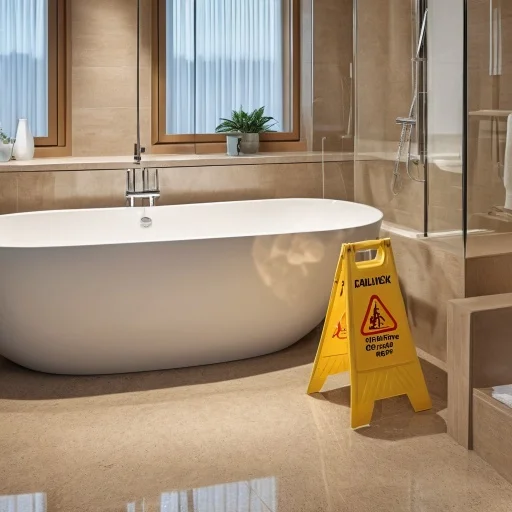
Detailed kitchen, bathroom and room cleaning when accumulated dirt needs extra attention.

Describe the build-up, not just the bedrooms
Two homes of the same size can need very different amounts of work. Greasy cupboard fronts, bathroom deposits and dust behind furniture require a more useful description than a room count alone. Walk through the property and record the areas that routine cleaning has missed. Photos can help explain the condition, but should not replace a clear task list. Tell the team about fragile finishes and any space where safe access is difficult.
A checklist with practical boundaries
A deep-cleaning brief may include detailed attention to accessible fittings, skirting, cupboard fronts and frequently used kitchen or bathroom surfaces. Inside cupboards should be agreed and emptied beforehand. Moving heavy furniture, cleaning high ceilings and treating appliance interiors are not automatic inclusions. Prioritise the jobs with the greatest practical benefit and confirm which can be reached safely. This keeps the visit focused on the agreed work rather than an undefined expectation that every surface will be addressed.
Working through the rooms
A sensible sequence removes loose dust before wet cleaning and leaves floor finishing until other tasks are complete. Grease and deposits need products compatible with the surface and enough contact time to work safely. More product or harder scrubbing is not always better. Natural stone, plated taps and soft finishes can be damaged by an unsuitable approach. Ask about the method for a difficult area rather than requesting an aggressive treatment that may not be appropriate.
Preparation that makes detailed cleaning possible
Clear clothes, dishes and personal belongings from the rooms to be cleaned. Empty only the cupboards that are included in the brief and place their contents somewhere safe. Make power and water accessible. Mark existing scratches or damaged fittings so the condition is understood before work starts. If waste, mould, infestation or unsafe clutter is present, explain it during the enquiry; it may require a different specialist response before ordinary deep cleaning is possible.
Choosing deep rather than one-off or tenancy cleaning
One-off describes a single appointment; it does not define the intensity. A deep clean can be booked once, while routine domestic cleaning is about maintaining a home after the reset. End of tenancy cleaning follows a handover checklist rather than the priorities of a current occupant. Select the service by the result you need and agree extras individually. Time, dirt levels, access and room contents all affect the quote.
HOW THE VISIT IS ORGANISED
A clear sequence for deep cleaning.
Prioritise the build-up
Describe grease, deposits and neglected detail room by room. Distinguish cleaning tasks from damage, damp or contamination needing another specialist.
Agree access and time
Clear included storage and surfaces. Confirm appliance and fabric extras separately and identify finishes with product restrictions before the visit.
Check the intensive scope
Review the agreed priority areas after cleaning. Plan routine upkeep or repairs separately so the condition does not immediately deteriorate again.

Use a condition-led brief
Suppose the kitchen has greasy cupboard fronts, the bathroom has deposits around fittings and the bedrooms are mostly tidy. The deep-cleaning priority is not to spend equal time in every room. Explain those differences and identify the surfaces that need careful attention. Add neglected skirting or internal storage only if the access and time are available. If a specialist appliance or fabric treatment is needed, ask for it separately. An occupied home may need a different working route from an empty one, so state where belongings will remain. This approach helps define intensive work without turning the visit into an impossible promise to clean everything in the building.
Keep the reset useful afterwards
Once the agreed work is complete, check the priority areas against the brief. A surface can be clean while permanent discolouration, scratches or worn sealant remain; identify those as condition issues rather than asking for further scrubbing. Plan ordinary maintenance around the areas that build up quickest. If the cause of dirt is ongoing renovation, a leaking fitting or another defect, address it separately. A repeat intensive clean is not always the sensible next step. Contact the booking team about any missed agreed task, with a clear description, instead of applying a second incompatible product before the original treatment has been discussed.
Why speak to Friendly Cleaners?
Deep cleaning has its own service page, while recurring domestic cleaning and tenancy work are presented separately. Use that distinction when discussing the condition of your home with the booking team. Confirm the agreed checklist and any specialist extras.
Read the booking terms and ask for the service details that apply to your appointment before confirming.
SPECIFIC QUESTIONS
Deep Cleaning questions
For a property-specific answer, contact the booking team.
Does deep cleaning include the oven?
Ask for the oven interior to be listed separately. Detailed room cleaning does not automatically include a specialist appliance treatment.
Will furniture be moved?
Specify the pieces and confirm what can be moved safely. Heavy or fitted furniture may remain in place.
Can I stay in the home?
Discuss the working route and room access. Keeping the agreed areas clear can help the team complete the tasks without interruption.
Is this suitable after building work?
If construction dust or residue is the main issue, discuss after-builders cleaning instead. The materials and equipment requirements differ.
Can a deep clean remove mould?
Do not treat a damp or mould problem as ordinary dirt. Explain it in advance and address the moisture source and any specialist assessment needed.
How often should I arrange a deep clean?
Base the decision on condition and the upkeep between visits. There is no single schedule that suits every household.
Discuss your deep cleaning enquiry.
Have the postcode, relevant sizes and your preferred date ready. Explain the condition and access, then confirm the scope and quote before accepting the appointment.