
CARE FOR THE FLOOR UNDER YOUR FEET
Carpet Cleaning Islington
Care for the fitted floor in the room used for work as well as living. We treat Islington carpets with their construction and condition in view, considering soil and individual marks.
Fitted floor assessment before treatment
Furniture access and marks considered
Aftercare around return to room use
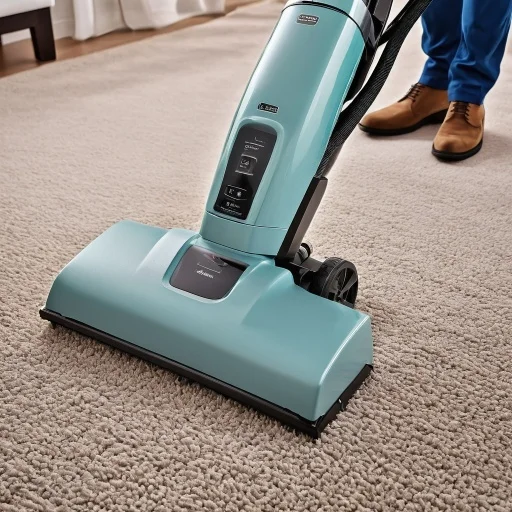
The carpet in a household workspace
A room used for work can have furniture and repeated movement concentrated in one area. We assess the fitted covering and treat according to its fibre and construction. Room use helps explain the soil present, while the actual material and condition guide care rather than an assumption of one cleaning response for every working room.
Dirt and wear can appear together
A route by a chair or doorway can show soil with repeated wear. We consider it alongside the quieter carpet. Cleaning addresses relevant dirt, while permanent fibre changes or fading may remain; the floor’s appearance needs assessment rather than treating every dark area as a simple removable stain.

Make the working area available
Clear small belongings from the floor and discuss larger furniture beforehand. We treat the carpet accessible around pieces staying. If a room is being reorganised, previously covered areas can join while open, with drying and replacement precautions followed before the layout is restored.
HOW THE SERVICE WORKS
From booking to the completed clean
Check the covering and areas
Identify the rooms or stairs needing care, their material and any individual marks. Agree the floor access and treatment before the appointment.
Treat the fitted carpet
Cleaning follows the covering’s construction and condition, addressing the soiling and marks included. Rugs and upholstery receive their own care when requested.
Allow the aftercare interval
Follow advice for drying, foot traffic and furniture replacement. The room returns to use when the carpet is ready for it.
A spill beside equipment or seating
Describe the substance, age and products applied where known. Its history matters with the textile’s wider condition. Avoid adding repeated household treatments before assessment, particularly when an old mark has changed colour after previous attempts rather than simply remained dirty.
Plan a practical pause in use
Follow the advice for the actual treatment before ordinary foot traffic or furniture returns. A household may need to use another room temporarily if the treated space is needed for work. That is a practical part of its aftercare plan, with timing depending on material and property conditions.

Other fitted areas and textiles
Bedrooms or stair coverings can join when described separately. Rug care considers loose pieces and sofa cleaning addresses upholstery. Domestic care looks after surrounding household surfaces, keeping each material task clear alongside the room routine.
Book Islington carpet care
Call 020 3404 5124 with the fitted area, furniture and marks. Extent, condition and access determine the quote. Read the carpet guide and our Islington service page.
BEFORE YOU BOOK
Carpet Cleaning in Islington: questions
Can a home workspace carpet be treated?
Yes. Describe the fitted area and the room’s return-to-use needs. Fibre and condition guide treatment, with aftercare planned accordingly.
Is a chair route always just dirt?
It can involve soil and wear together. The covering is assessed before treatment, and permanent fibre changes may remain.
Should the desk leave?
Discuss larger pieces before booking. Cleaning follows the accessible covering, with furniture handling separately arranged where needed.
Can another room join the visit?
Yes. Identify its fitted area and concerns so the quotation covers actual additional work rather than an assumption of identical treatment.
When can normal working use resume?
Follow advice for the actual covering and treatment, including walking and replacement precautions. Material and conditions can change timing.
What if previous stain products were used?
Report the products and area affected, with the spill cause if known. That history helps assess the next appropriate treatment.